Fox Paving - Paving Contractor
Ironstone concretions shred milling equipment and puncture base mats in western Tomball, while historic downtown demands preservation-sensitive repair. We deploy ground-penetrating radar, carbide-tipped drums, and commission-compatible materials depending on which Tomball you occupy. Montgomery County licensed. Free core sampling with every quote.
A decade of Texas pavement work taught us that soil tells the truth asphalt hides. As a paving contractor operating in Tomball, we arrive with augers, nuclear density gauges, and the patience to read what the ground reveals. Our crews have been together for years. They answer to us, not to a staffing agency, and they know the difference between a surface scar and a foundation wound.
Tomball, TX occupies a peculiar position on the Gulf Coast margin. The eastern half drains through the sandy loam of the Spring Creek watershed, where water percolates readily but carries fines away from beneath pavement edges. The western half sits on the Montgomery County clay plain, where moisture lingers for weeks and the native ironstone concretions tear through base rock like shrapnel. This geological split means two properties sharing a zip code may require diametrically opposed engineering solutions. Complicating matters further, Tomball’s historic downtown core, the original railroad settlement along Main Street retains century old infrastructure with brick pavers, handlaid granite curbs, and drainage systems designed for horsedrawn traffic. Modern overlay or repair work in these districts requires sensitivity to preservation standards that generic contractors ignore. Meanwhile, the explosive growth along SH249 and the Grand Parkway extension has introduced development grade fill that settles unpredictably for five years after compaction.
We maintain TDLIC registration, commercial general liability coverage, and a warranty that outlasts most competitors’ entire business lifespan. Whether you’re stewarding a historic property near the Tomball, TX Depot, managing retail along the 249 corridor, or maintaining industrial access near the new ExxonMobil campus, we treat your surface as infrastructure worth preserving.
Fox Paving functions as a paving contractor throughout Tomball, TX delivering asphalt overlays, sealcoating, crack remediation, parking lot preservation, speed control devices, and pavement marking. Each specification emerges from soil chemistry analysis, drainage topology, and traffic load forecasting rather than generic regional assumptions.
Tomball, TX overlay engineering begins with ironstone assessment. The Montgomery County clay plain contains concretions, cemented mineral masses ranging from gravel to boulder size that shred standard milling teeth and puncture base mats if not identified. We use ground penetrating radar on western Tomball, TX sites to map these obstructions before specifying equipment. Eastern sites near Spring Creek require different vigilance: sandy subgrades that wash out during extended rainfall, leaving voids that mirror as settlement cracks. We stabilize these with geogrid reinforcement and cementtreated base. Benefits include 15 to 18 years of service life when subgrade conditions are honestly addressed, cost avoidance approaching 65 percent versus full depth reconstruction, elimination of the reflective cracking that telegraphs through thin overlays, and reengineered longitudinal slope that accommodates Tomball’s flat to rolling topography without creating ponding zones.
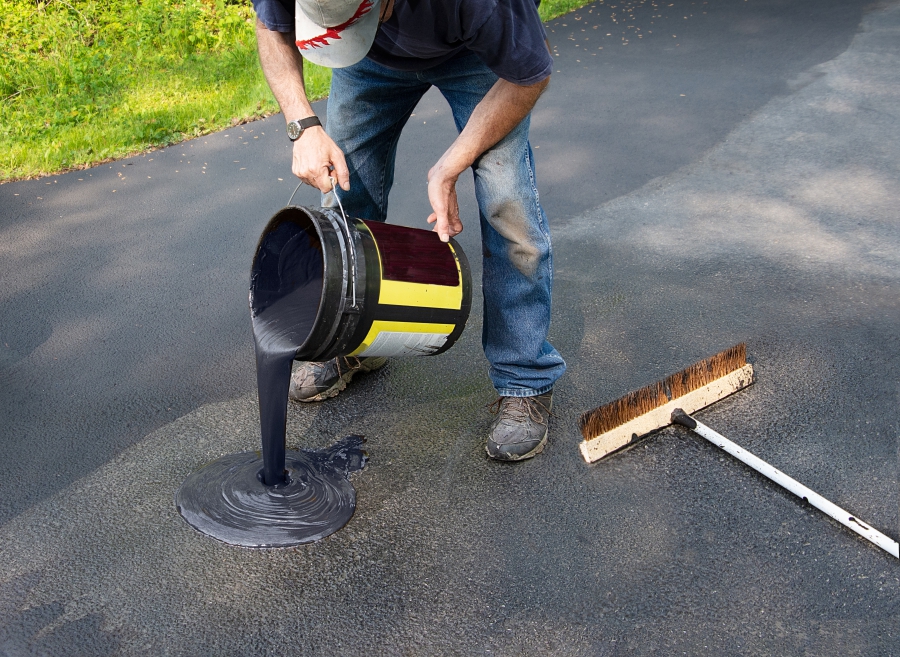
Tomball’s atmospheric chemistry presents a sealcoating challenge rare in Texas: the combination of pine forest hydrocarbon emissions, agricultural fertilizer drift from surrounding farmland, and industrial particulate from the 249 corridor creates a surface contamination layer that repels standard formulations. We begin with alkaline degreasing to neutralize acidic deposits, follow with high pressure rinsing, and apply a specialty tack coat formulated for Tomball’s contamination profile. The sealant itself is a coal tar latex hybrid with enhanced adhesion promoters. Benefits include functional lifespan extension of approximately 140 percent when reapplied every 28 to 32 months shorter than standard cycles due to local contamination stress restoration of light absorption that reduces radiative heating in Tomball’s exposed commercial fields, a moisture barrier that prevents the base saturation common in the clay plain’s slow draining profiles, and budget predictability that replaces emergency interventions with scheduled preservation.
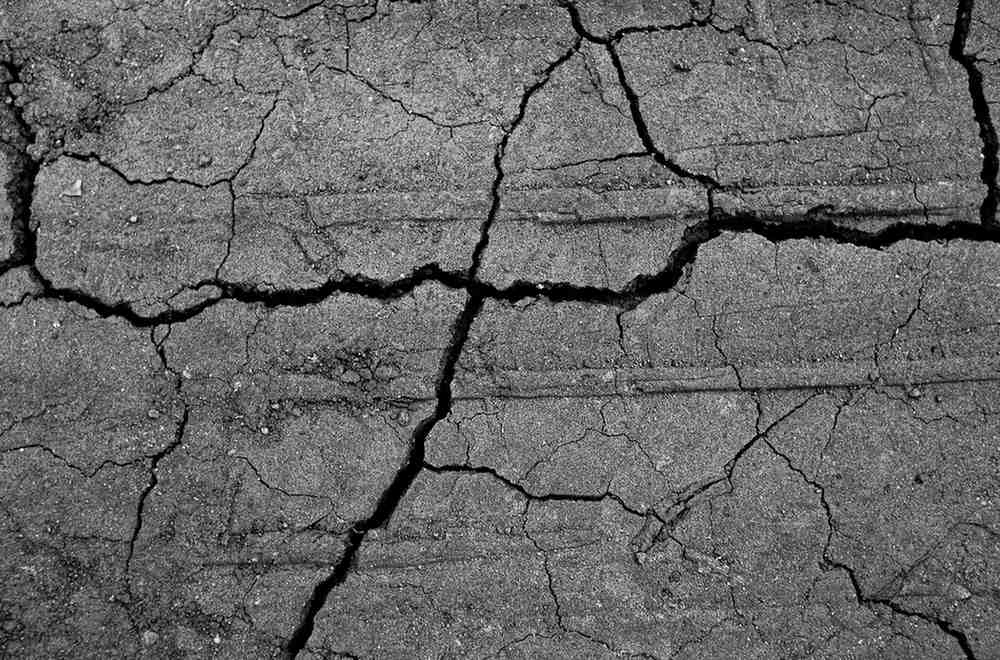
Repair triage in Tomball, TX distinguishes three failure modes that less experienced contractors conflate. Ironstone puncture creates starpattern cracking around a central point. Clay shrinkage produces parallel longitudinal cracks following the pavement centerline. Sandy washout generates irregular depressions with no distinct crack pattern. Each demands specific intervention: ironstone zones require excavation and geotextile isolation; clay areas need lime stabilization or cementtreated base; sandy sections require geogrid and drainage enhancement. We deploy dynamic cone penetrometers and groundpenetrating radar before selecting methodology. Benefits include elimination of the misdiagnosed repairs that fail within a single season, restoration of load capacity for the heavy equipment servicing Tomball’s energy and logistics sectors, interruption of water infiltration pathways that would propagate failure across the lot.
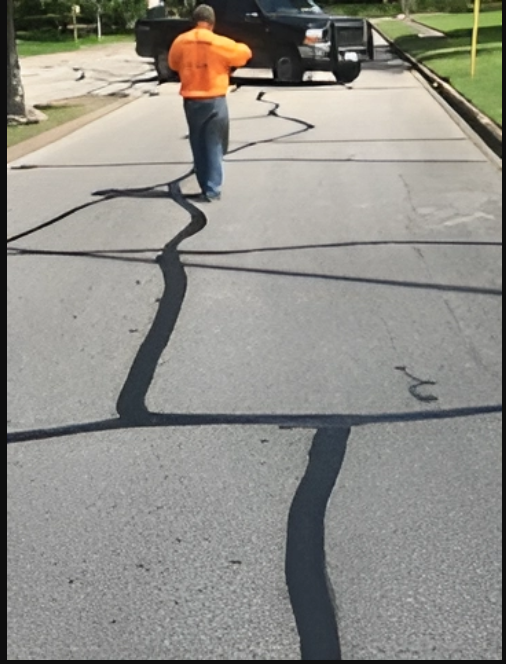
Crack taxonomy in Tomball, TX is more complex than typical Texas markets due to the geological duality. We classify seven distinct morphologies: ironstone star patterns, clay longitudinal shrinkage, clay transverse thermal, sandy irregular settlement, edge break from washout, construction joint separation, and fatigue alligatoring. Each receives distinct treatment: epoxy injection for ironstone stars, rubberized sealant for clay shrinkage, polymer modified filler for thermal transverse, full depth repair for sandy depressions, edge reconstruction for washout, sawcutting and resealing for construction joints, and partial depth removal for fatigue zones. Benefits include an approximate 90 percent reduction in water infiltration that triggers pothole genesis, pavement life extension of 5 to 7 years with biennial treatment, prevention of the root intrusion that exploits Tomball’s pine forest edge conditions, and traffic reopening within 90 minutes of application using rapidcure formulations.
Tomball, TX maintenance programs must reconcile three distinct property eras: historic downtown with preservation constraints, 1990s commercial strips with aging infrastructure, and 2020s development with fill, settlement issues. We structure programs as era specific protocols rather than uniform schedules. Historic properties receive gentle cleaning, compatible sealcoating, and crack repair with reversible materials. Nineties commercial gets aggressive stabilization, overlay preparation, and drainage reconstruction. New development focuses on settlement monitoring, early crack intervention, and protective sealcoating before damage manifests. Benefits include functional lifespans reaching 30 years for historic properties under sympathetic care, sustained compliance with Tomball’s historic preservation overlay district requirements, aesthetic standards that support tenant recruitment across all three property eras, and elimination of the emergency failures that force closures during Tomball’s peak German heritage festival seasons.
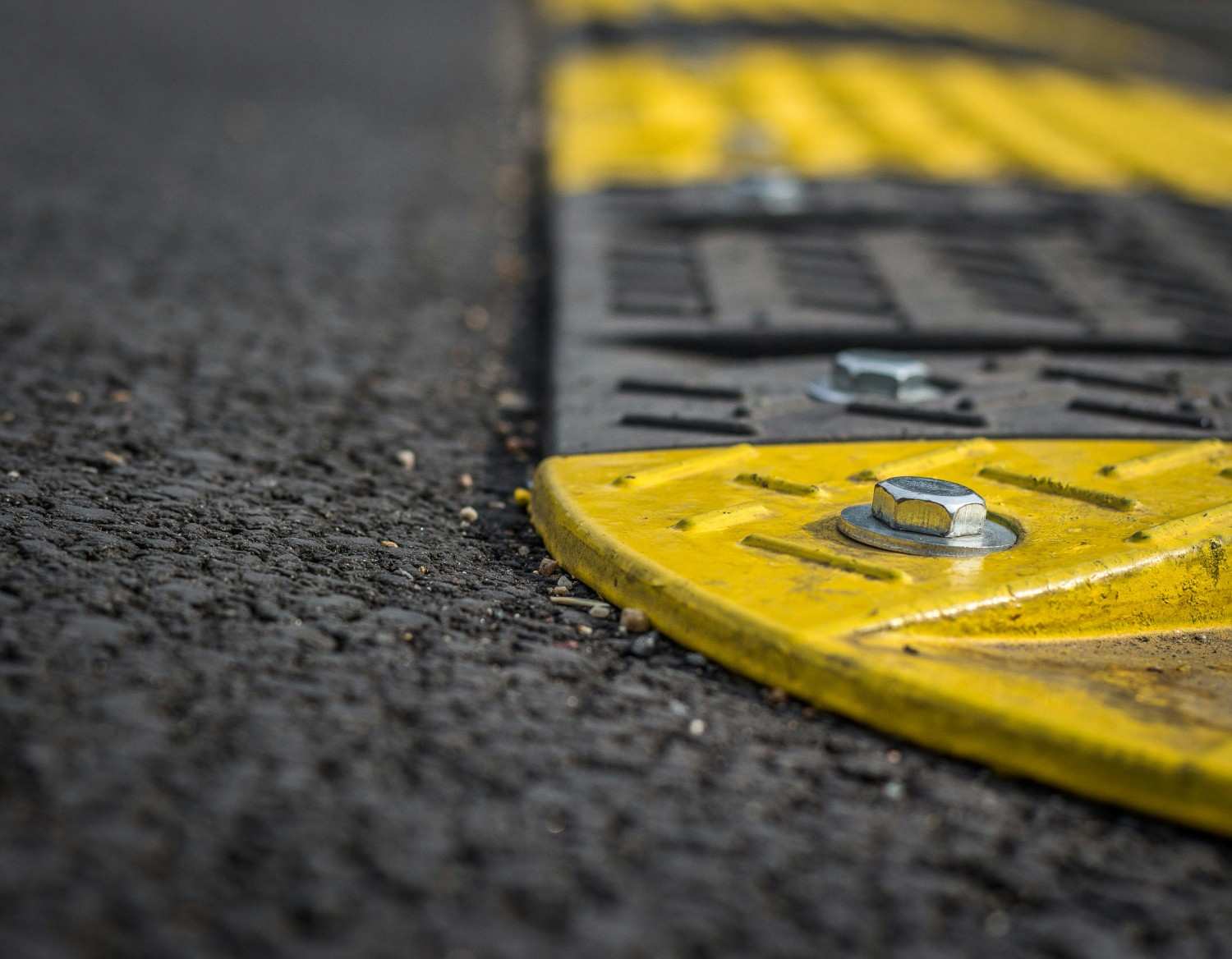
Tomball, TX speed control installation navigates Montgomery County emergency access standards while addressing the area’s distinctive traffic composition: historic district tourist vehicles with low ground clearance, agricultural equipment moving between fields, and the heavy logistics trucks serving the 249 corridor energy sector. We construct asphalt tables with variable geometry 16foot transitions and 2.75inch peaks for historic district compatibility, 12foot transitions and 3.5inch peaks for standard commercial, and reinforced edges for agricultural zones. Retroreflective markings use glass beads with enhanced angular reflectivity for the winding, treeshaded roads common in Tomball’s older neighborhoods. Benefits include measured speed reductions of 35 percent in historic districts and 45 percent in commercial zones, documented liability reduction through engineered traffic calming, construction durability that withstands the mixed vehicle spectrum from compact cars to combine harvesters.
Pavement marking in Tomball, TX operates under constraints rare in Texas markets. The historic downtown overlay district requires color palettes compatible with the 1907 rail, road era streetscape, no fluorescent greens or electric blues. The agricultural periphery needs markings visible through dust and mud. The 249 commercial corridor demands standard MUTCD compliance with high nighttime reflectivity. We specify three distinct systems: alkyd resin paints in earthtone palettes for historic districts, MMA with enhanced dirtshedding additives for agricultural zones, and standard thermoplastic with highindex glass beads for commercial corridors. Benefits include historic commission approval without revision cycles, sustained visibility in Tomball’s unpaved road periphery, ADAcompliant restriping that satisfies current
Reach Fox Paving today for paving contractor evaluation in Tomball, TX. Complimentary site assessment with soil analysis and written scope. Address your pavement issues before spring vegetation growth exploits winter’s freeze thaw damage.
Standard milling teeth fracture against ironstone concretions within hours. We specify carbidetipped drums and reduced advance rates for western Tomball sites, or switch to coldplaning methods that fracture rather than cut. Eastern sandy sites use standard equipment. Preconstruction GPR mapping prevents mid job equipment damage.
Historic district work requires materials compatibility with 1907era construction, reversible installation methods, and commission approval before work begins. Colors must match existing palettes. Textures must maintain pedestrian safety without modern slipresistance additives that alter visual character. We coordinate all submissions with the Tomball Historic Preservation Commission.
Agricultural equipment tracks mud, fertilizer residue, and organic matter that standard sealants cannot bond to. We specify MMA with enhanced dirtshedding surface chemistry and apply during dry periods after harvest when contamination is minimal. The formulation resists the acidic conditions common in farming environments.
The campus generates concentrated commuter traffic during shift changes and heavy logistics vehicle movements for supply delivery. Parking lots serving this corridor require thicker base courses, heavier binder grades, and enhanced drainage to handle the axle loads and frequency that standard retail specifications omit.
Iron oxidation from the native ironstone concretions and Montgomery County’s highiron groundwater. The staining is cosmetic but signals moisture movement through the pavement structure. Sealcoating interrupts the moisture pathway; acid washing removes the discoloration without damaging the asphalt binder.
Watch our recent project videos to see the quality, craftsmanship, and professional results we deliver.